 Image 1 of 2
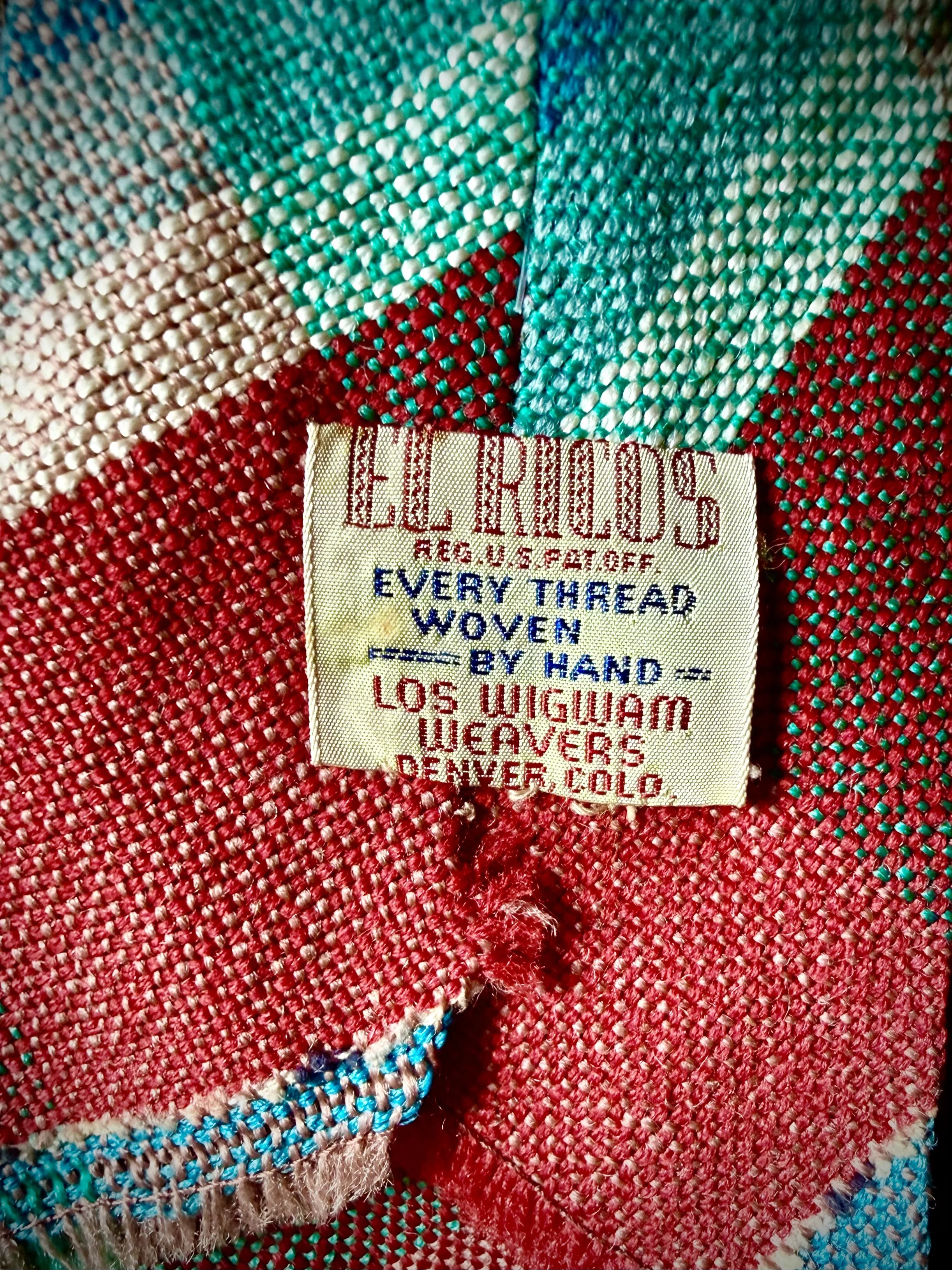 Image 2 of 2
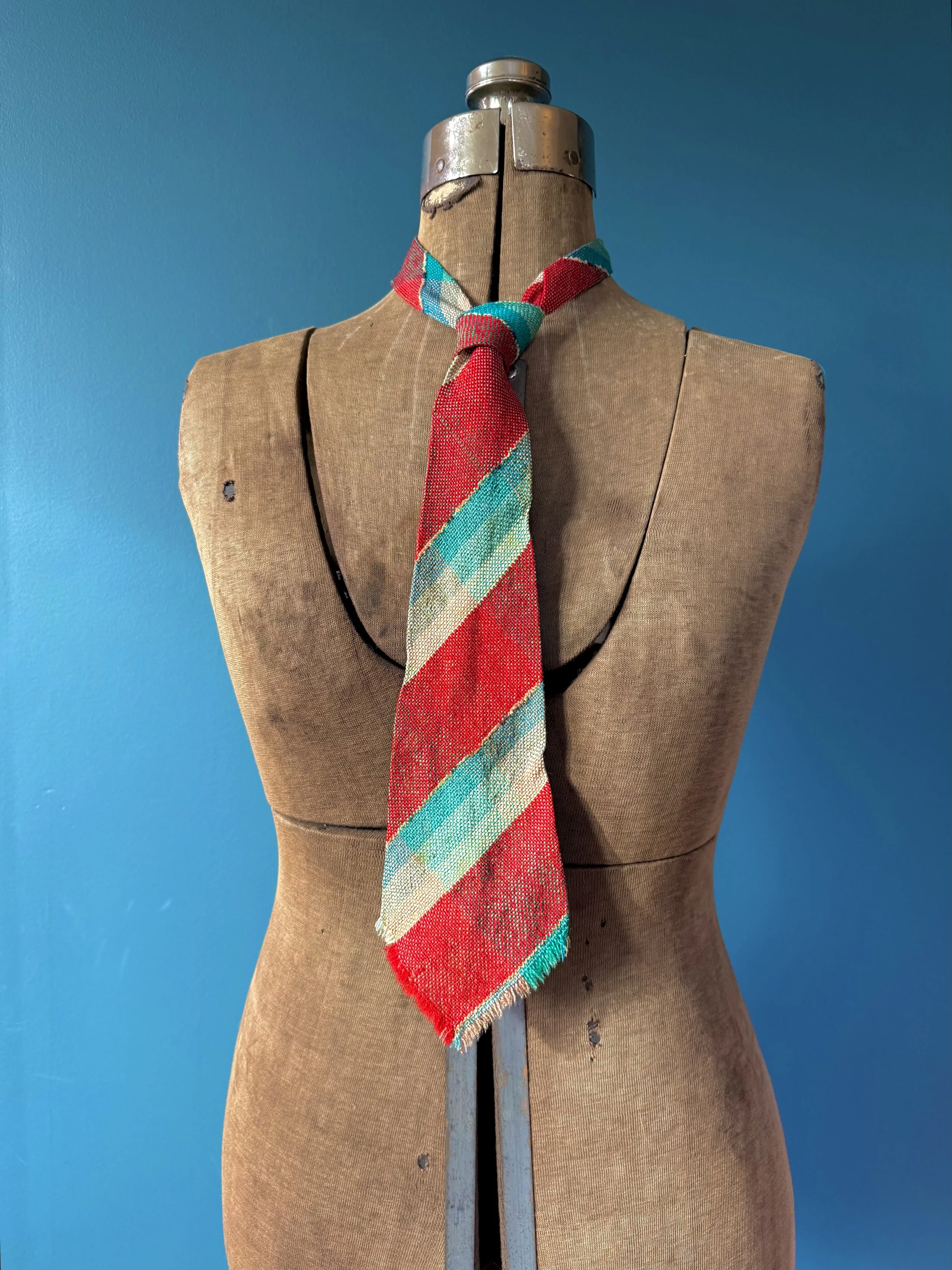
What does this funky old necktie have to do with your daily coffee break? It all goes back to World War II era Denver, Colorado, where a man named Phil Greinetz owned a hand-loomed necktie business with the improbable name of "Los Wigwam Weavers." With most younger workers involved in the war effort, Greinetz found himself hiring mostly older women to work at his looms. To combat their inevitable fatigue, and to boost productivity, he instituted mandatory 15-minute morning and afternoon rest breaks (aka "coffee breaks"). These breaks increased output, as expected. They also boosted his workers' piece-rate earnings, so Greinetz felt justified in docking his employees for the time spent on the breaks. Wrong move.
A U.S. Department of Labor inspector was made aware of the situation, and declared that the (mandatory) rest periods were still on the clock, and needed to be compensated. Greinetz wasn't having it, and took the government to court (Los Wigwam Weavers v. U.S. Department of Labor). In 1956, the 10th Circuit Court of Appeals finally determined that such rest breaks benefited employers by increasing productivity, and therefore should be compensated under the Fair Labor Standards Act. The coffee break was born! It may or may not be a coincidence that the Pan-American Coffee Bureau launched a $2 million ad campaign around the same time, with the slogan "Give yourself a Coffee-Stop — and get what coffee gives to you." Don't mind if I do! ☕️
What does this funky old necktie have to do with your daily coffee break? It all goes back to World War II era Denver, Colorado, where a man named Phil Greinetz owned a hand-loomed necktie business with the improbable name of "Los Wigwam Weavers." With most younger workers involved in the war effort, Greinetz found himself hiring mostly older women to work at his looms. To combat their inevitable fatigue, and to boost productivity, he instituted mandatory 15-minute morning and afternoon rest breaks (aka "coffee breaks"). These breaks increased output, as expected. They also boosted his workers' piece-rate earnings, so Greinetz felt justified in docking his employees for the time spent on the breaks. Wrong move.
A U.S. Department of Labor inspector was made aware of the situation, and declared that the (mandatory) rest periods were still on the clock, and needed to be compensated. Greinetz wasn't having it, and took the government to court (Los Wigwam Weavers v. U.S. Department of Labor). In 1956, the 10th Circuit Court of Appeals finally determined that such rest breaks benefited employers by increasing productivity, and therefore should be compensated under the Fair Labor Standards Act. The coffee break was born! It may or may not be a coincidence that the Pan-American Coffee Bureau launched a $2 million ad campaign around the same time, with the slogan "Give yourself a Coffee-Stop — and get what coffee gives to you." Don't mind if I do! ☕️