Hiroshi Teshigahara (1927–2001) was the son of Sōfu Teshigahara, founder of the modernist Sōgetsu-ryū school of ikebana (he became headmaster (iemoto) himself in 1980). However, he is best known in the West for his work as a film director in the Japanese New Wave. He received an Academy Award nomination as Best Director for his 1964 masterpiece “Woman in the Dunes," becoming the first person of Asian descent so honored.
This gorgeously-produced (and vanishingly-rare) English language monograph documents Teshigahara's multidisciplinary art, focusing on his large-scale avant-garde bamboo installations, ikebana, and stage designs. It contains a number of introductory essays, including "A New Direction" by sculptor Isamu Noguchi, which explores the intersection of traditional Japanese flower arrangement and contemporary installation art.
120 pages. Published in Tokyo by Sogetsu Shuppan, Inc., 1985.
Hiroshi Teshigahara (1927–2001) was the son of Sōfu Teshigahara, founder of the modernist Sōgetsu-ryū school of ikebana (he became headmaster (iemoto) himself in 1980). However, he is best known in the West for his work as a film director in the Japanese New Wave. He received an Academy Award nomination as Best Director for his 1964 masterpiece “Woman in the Dunes," becoming the first person of Asian descent so honored.
This gorgeously-produced (and vanishingly-rare) English language monograph documents Teshigahara's multidisciplinary art, focusing on his large-scale avant-garde bamboo installations, ikebana, and stage designs. It contains a number of introductory essays, including "A New Direction" by sculptor Isamu Noguchi, which explores the intersection of traditional Japanese flower arrangement and contemporary installation art.
120 pages. Published in Tokyo by Sogetsu Shuppan, Inc., 1985.
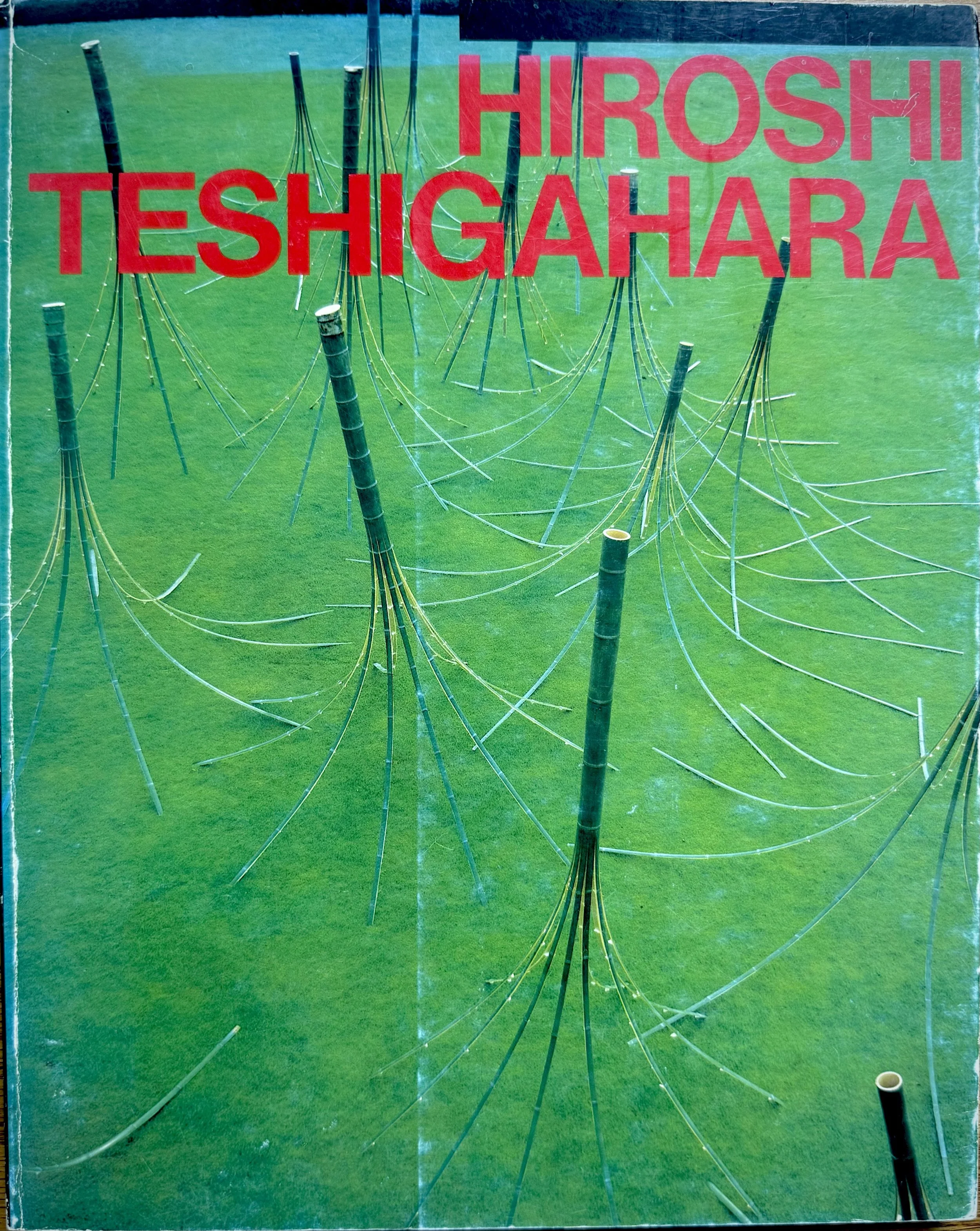 Image 1 of 14
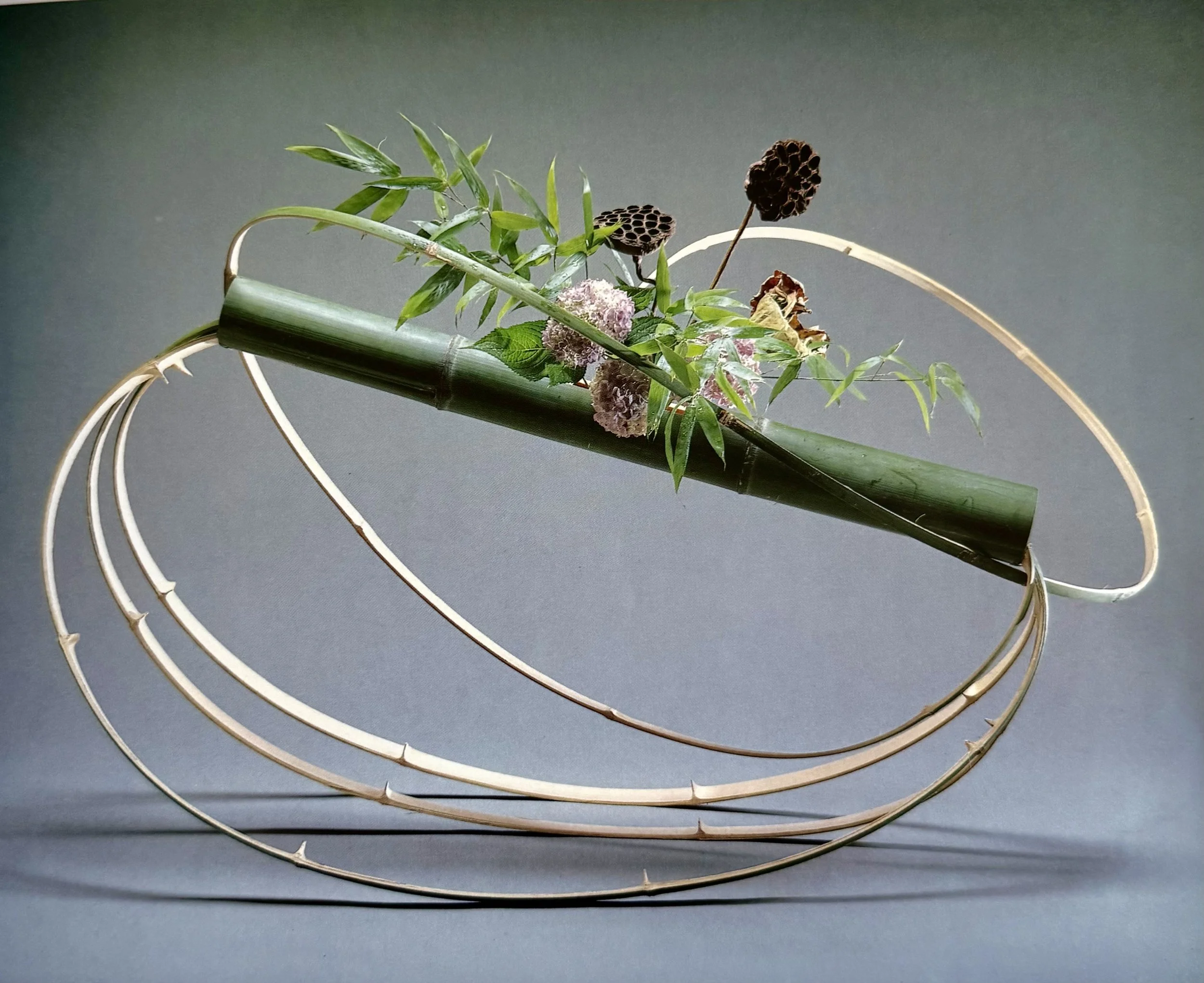 Image 2 of 14
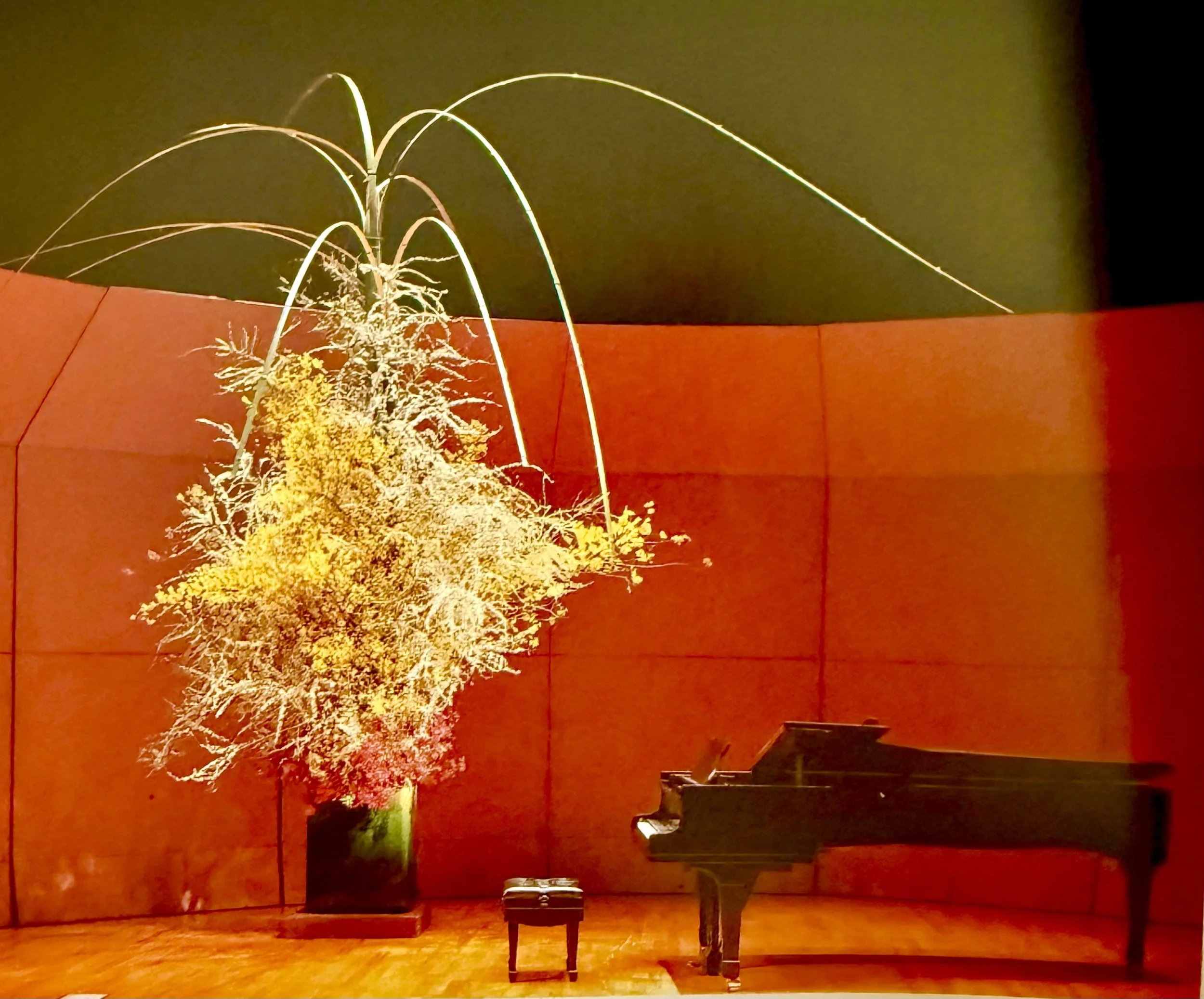 Image 3 of 14
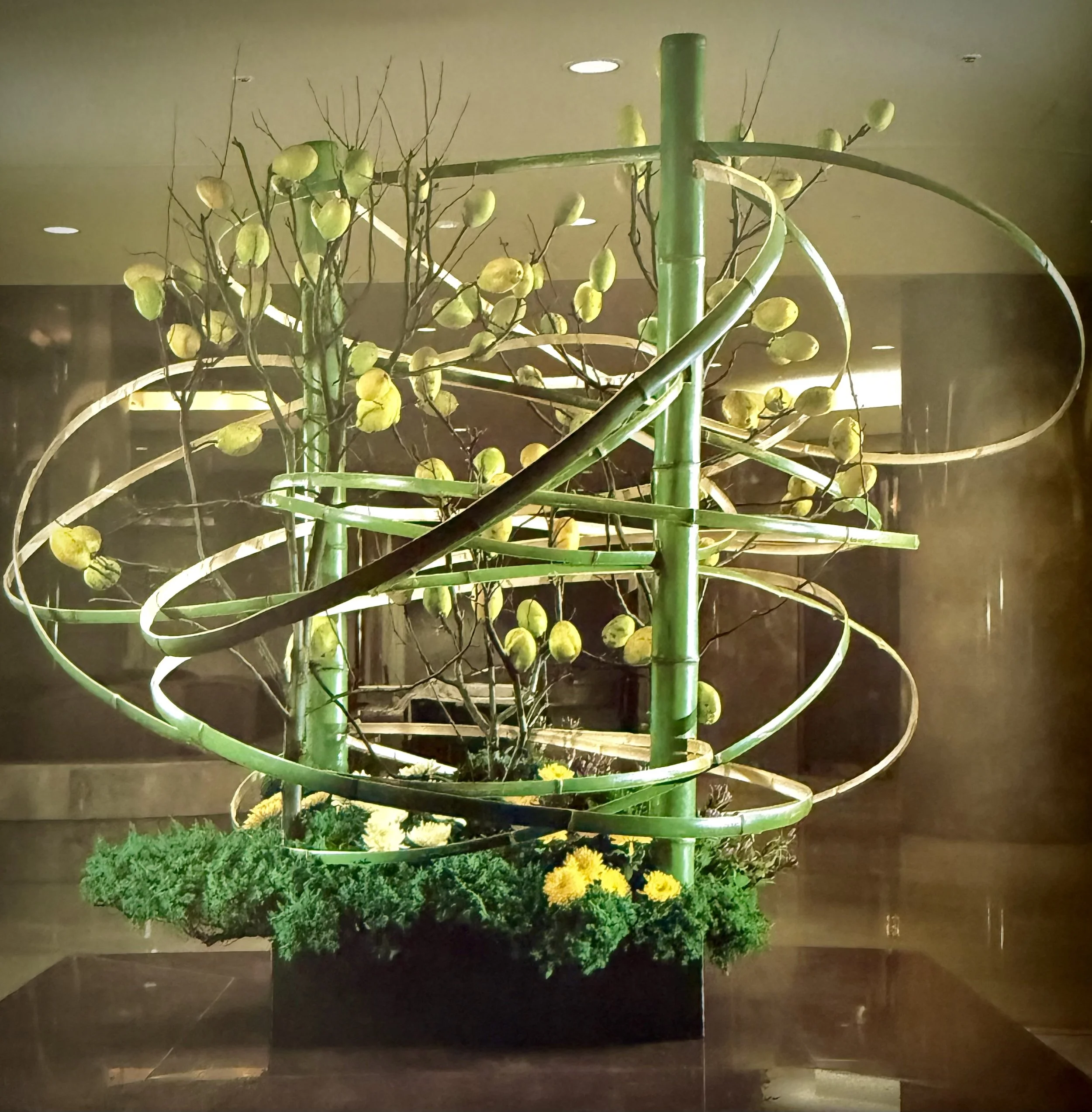 Image 4 of 14
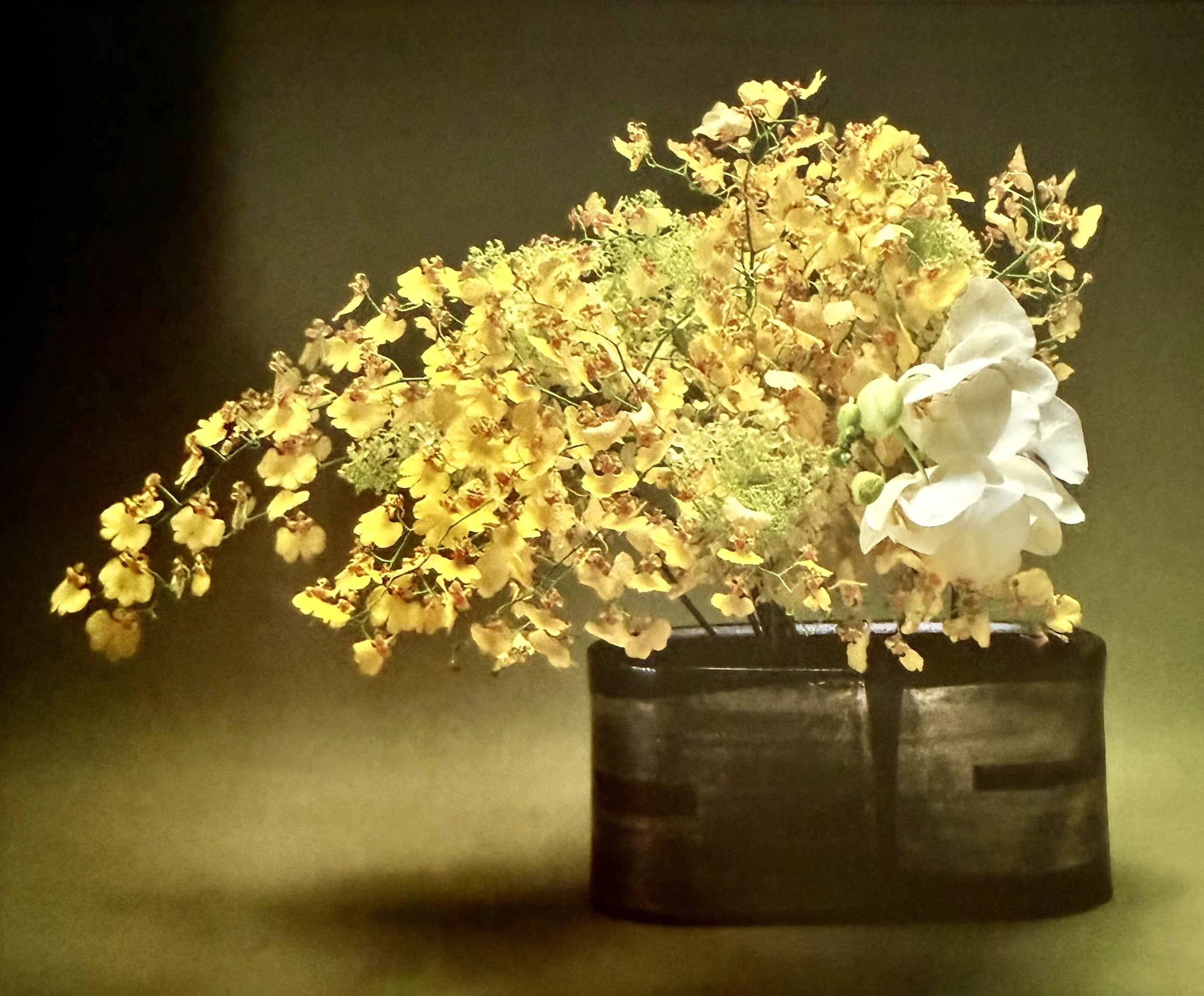 Image 5 of 14
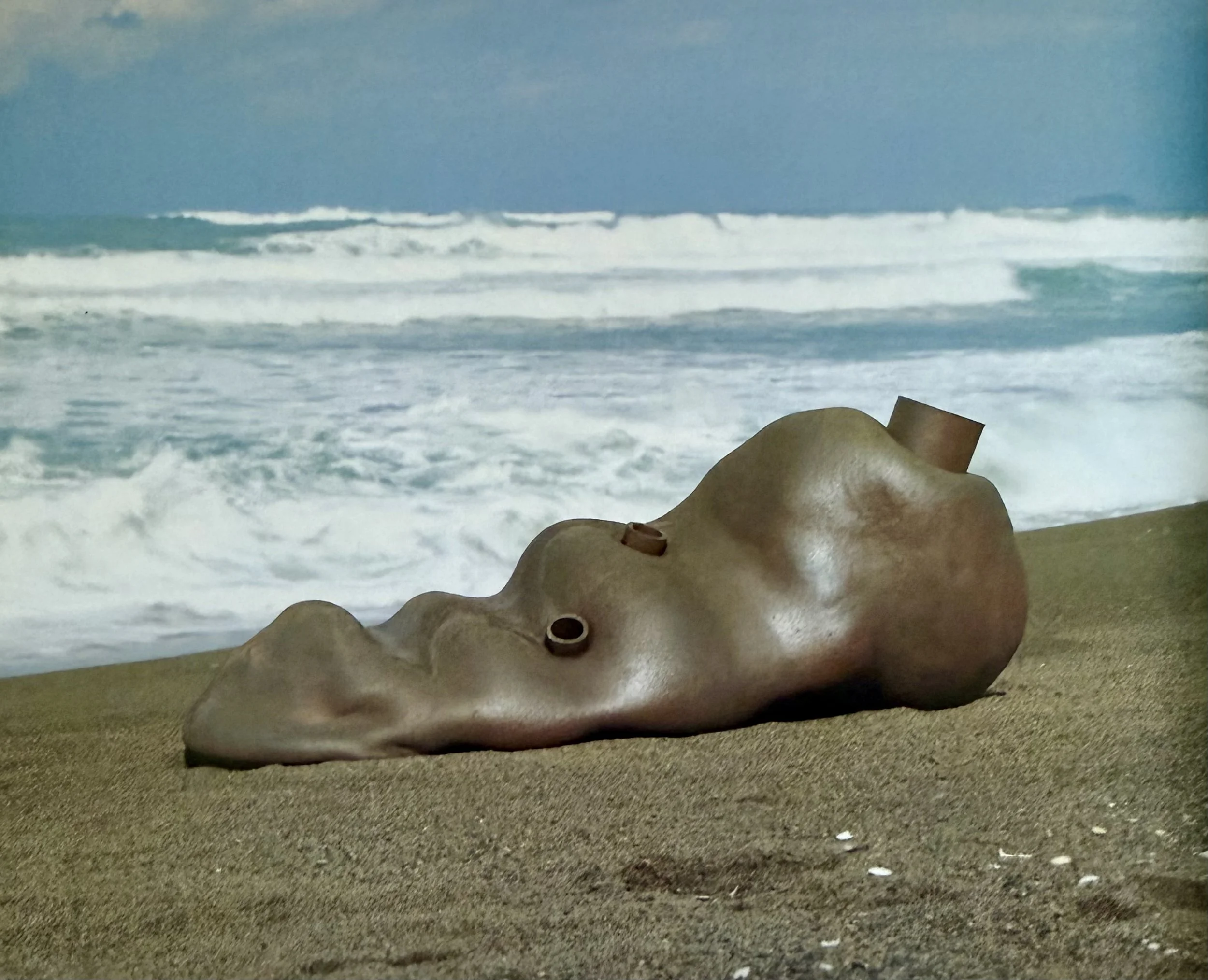 Image 6 of 14
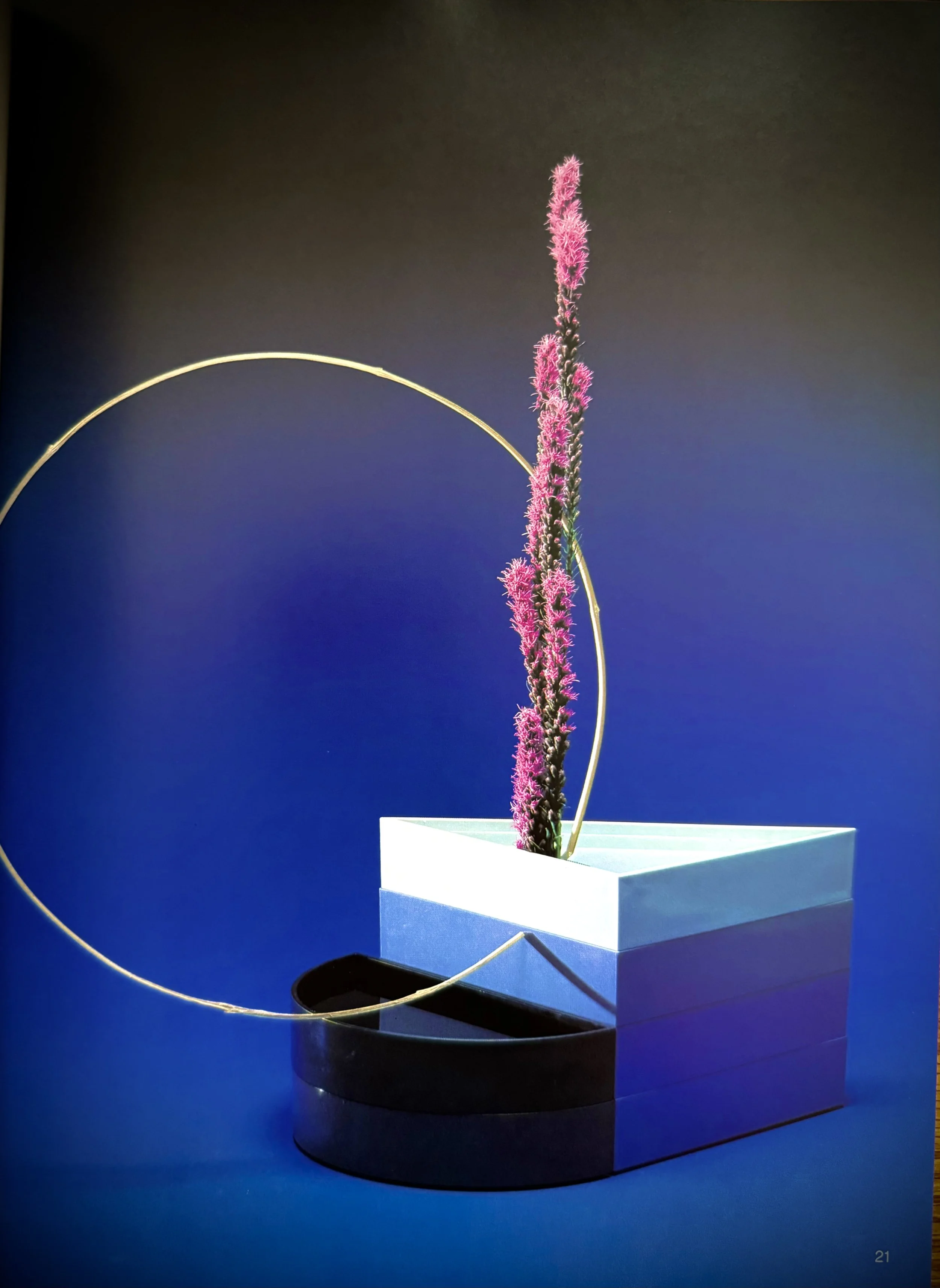 Image 7 of 14
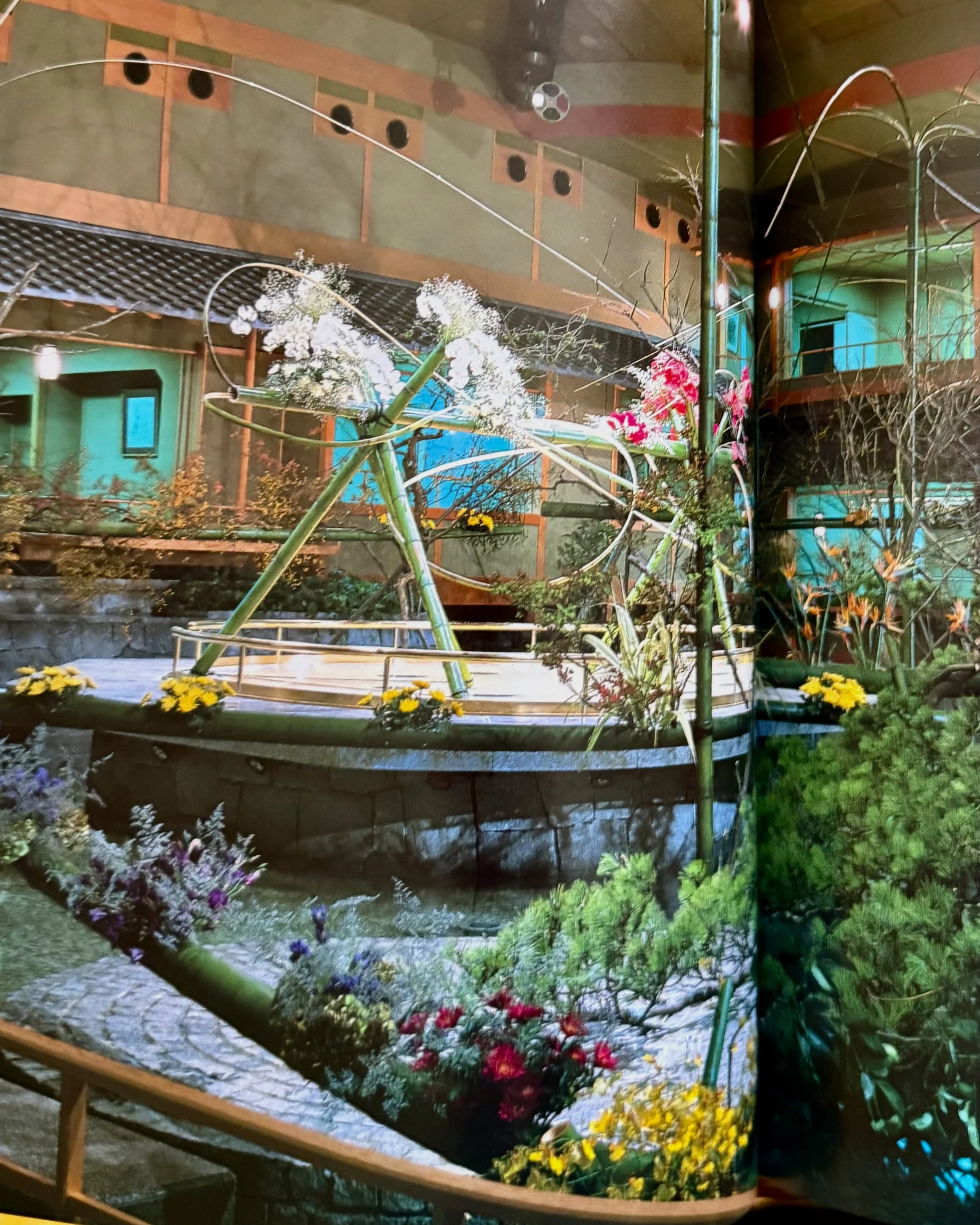 Image 8 of 14
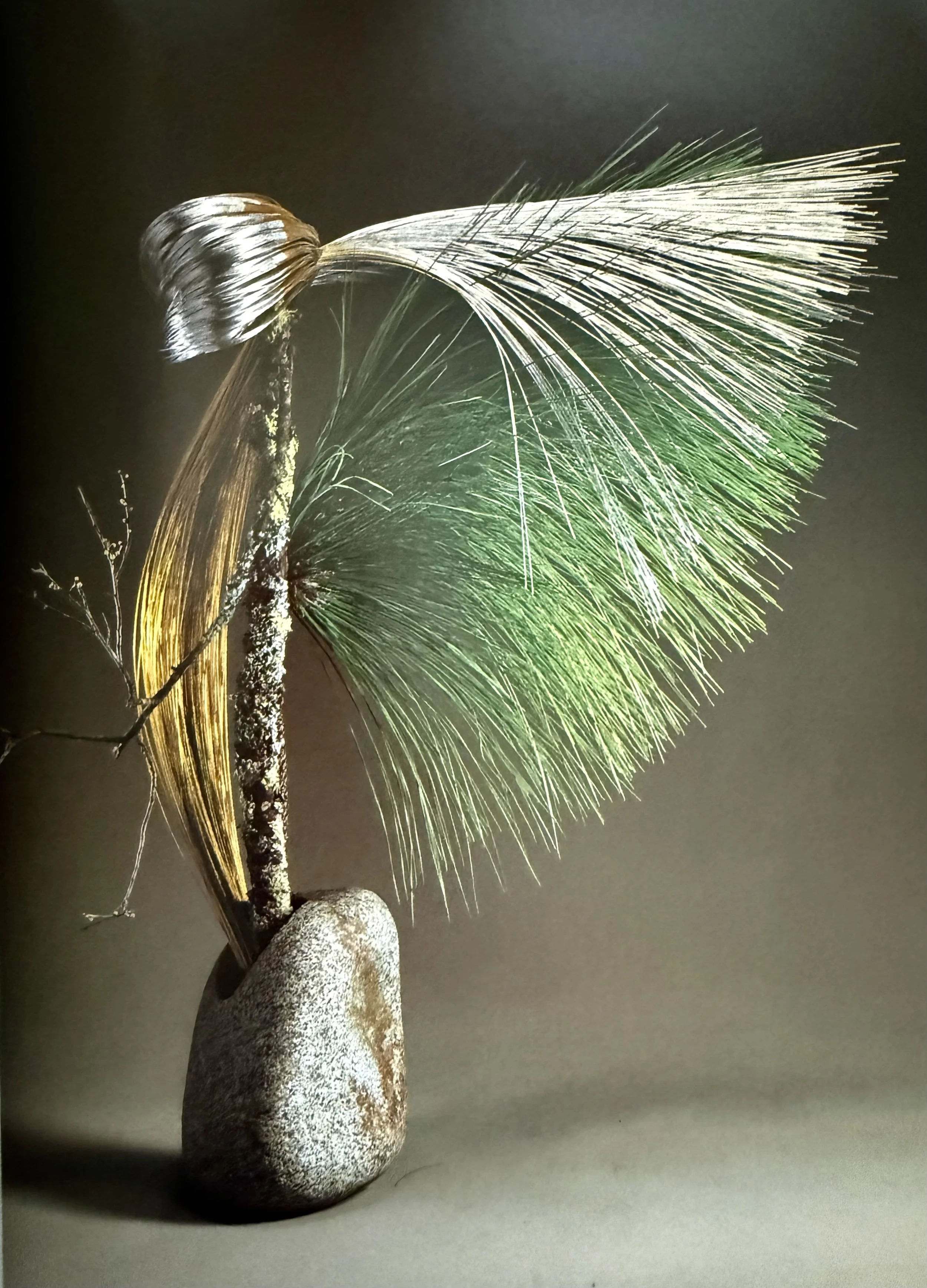 Image 9 of 14
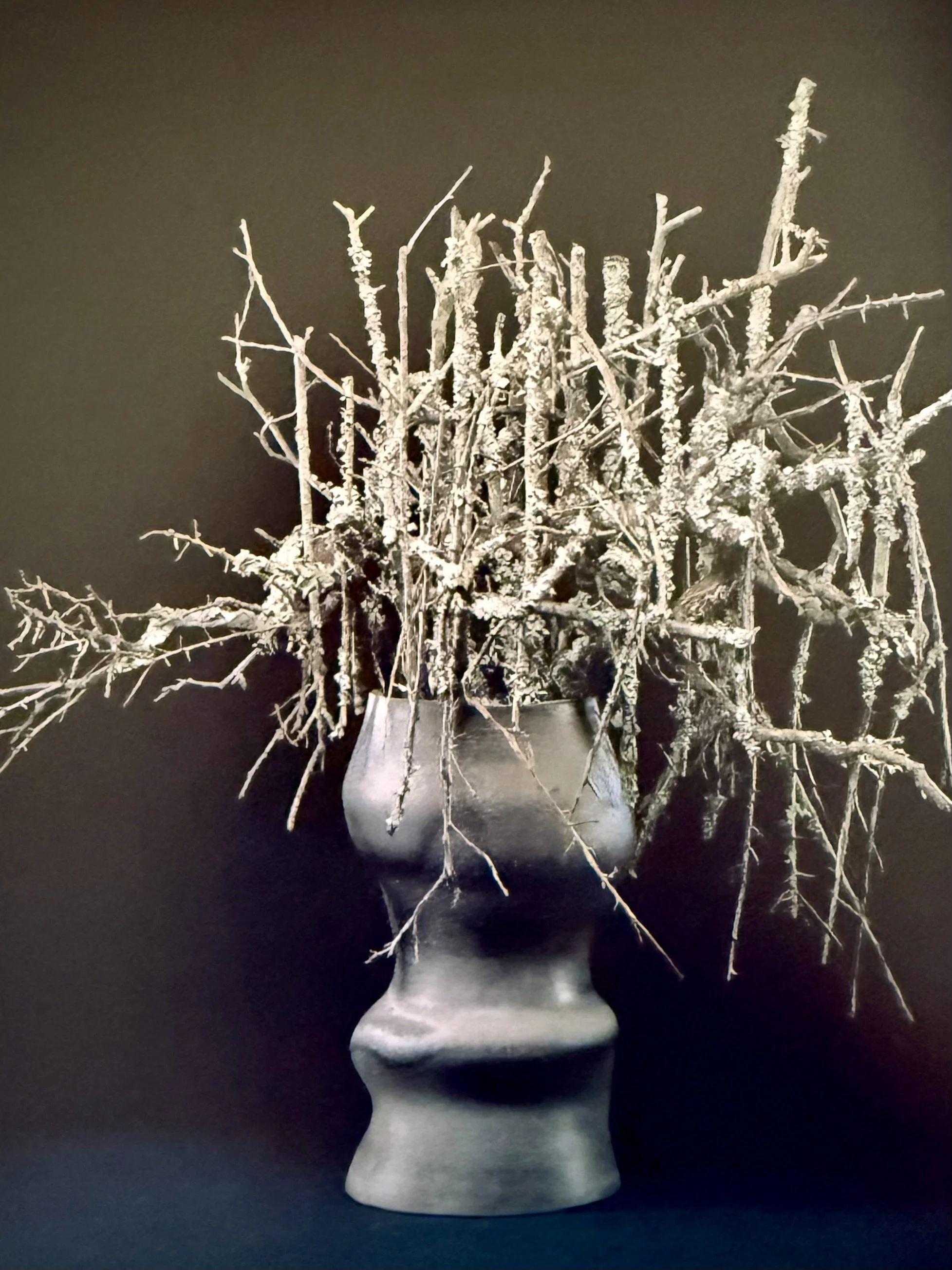 Image 10 of 14
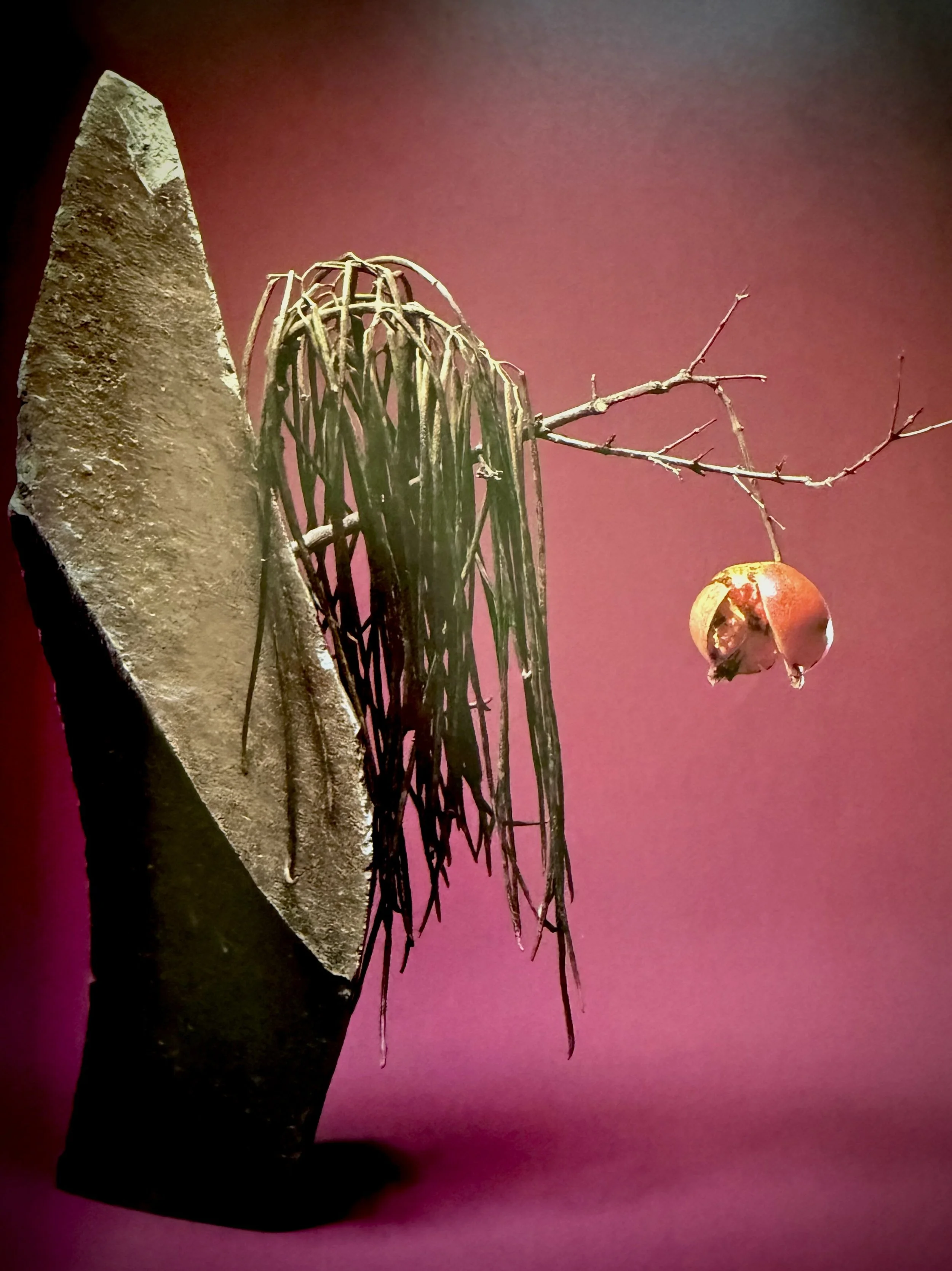 Image 11 of 14
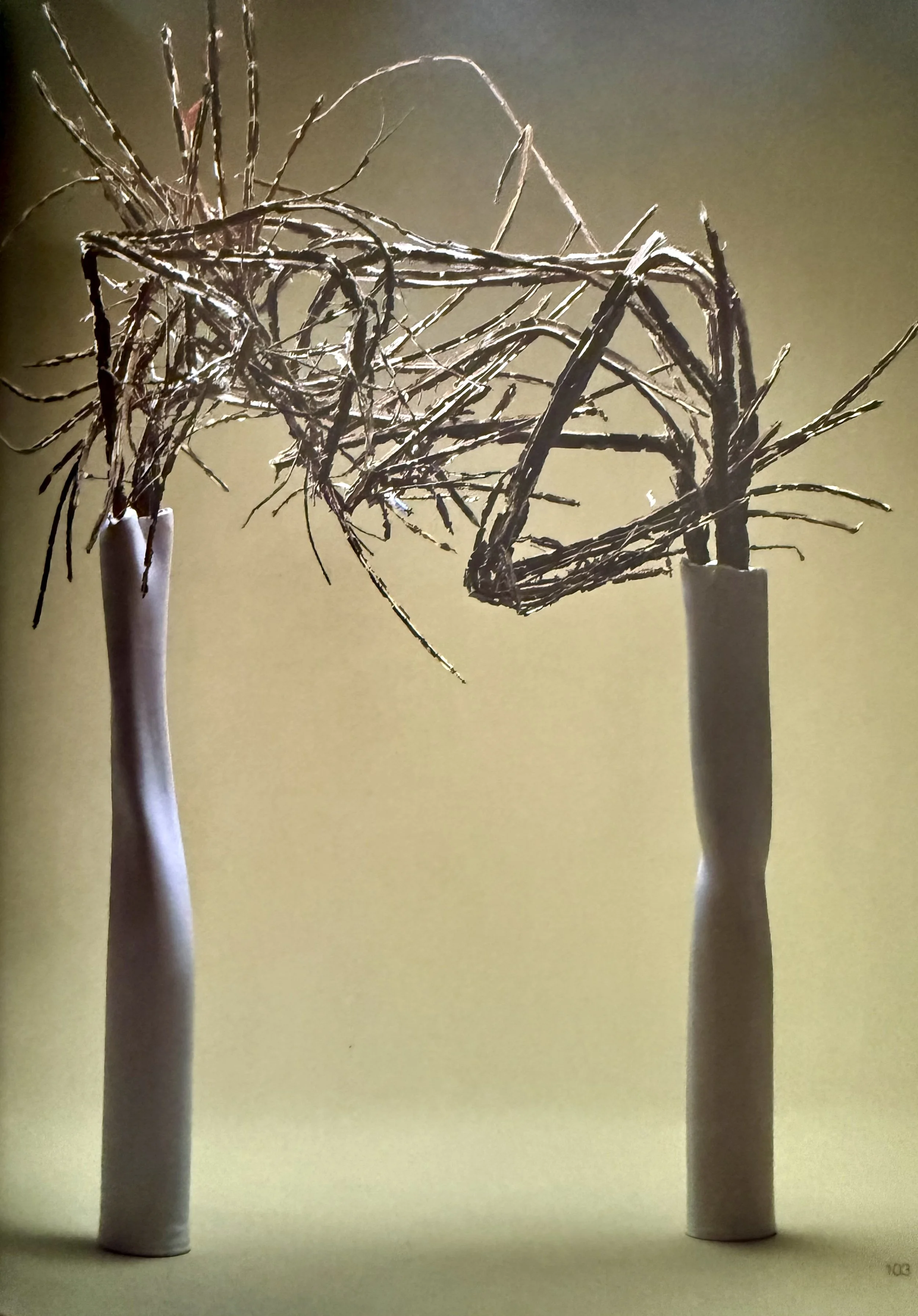 Image 12 of 14
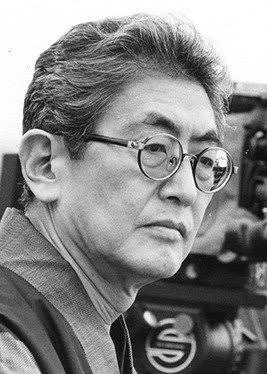 Image 13 of 14
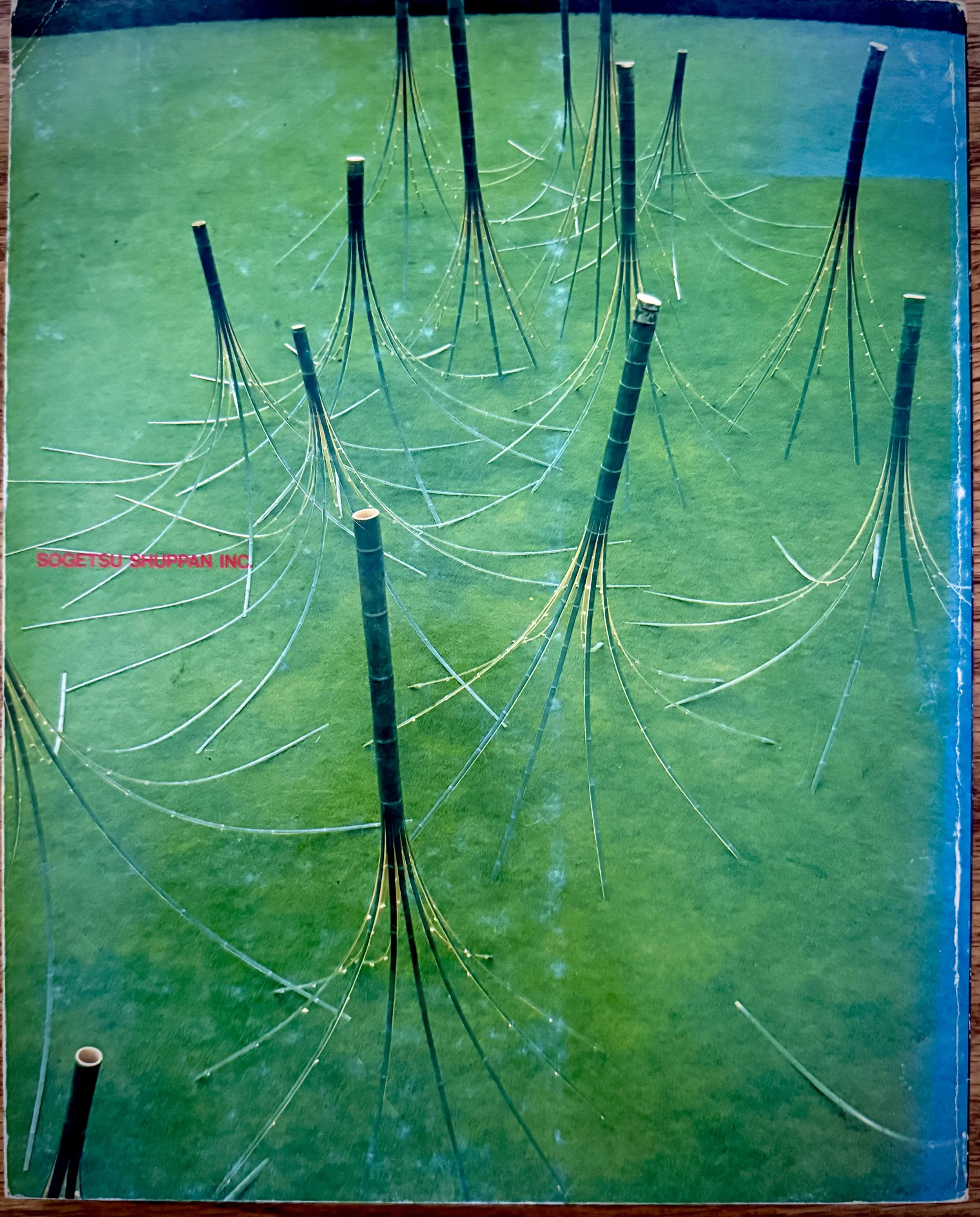 Image 14 of 14