 Image 1 of 3
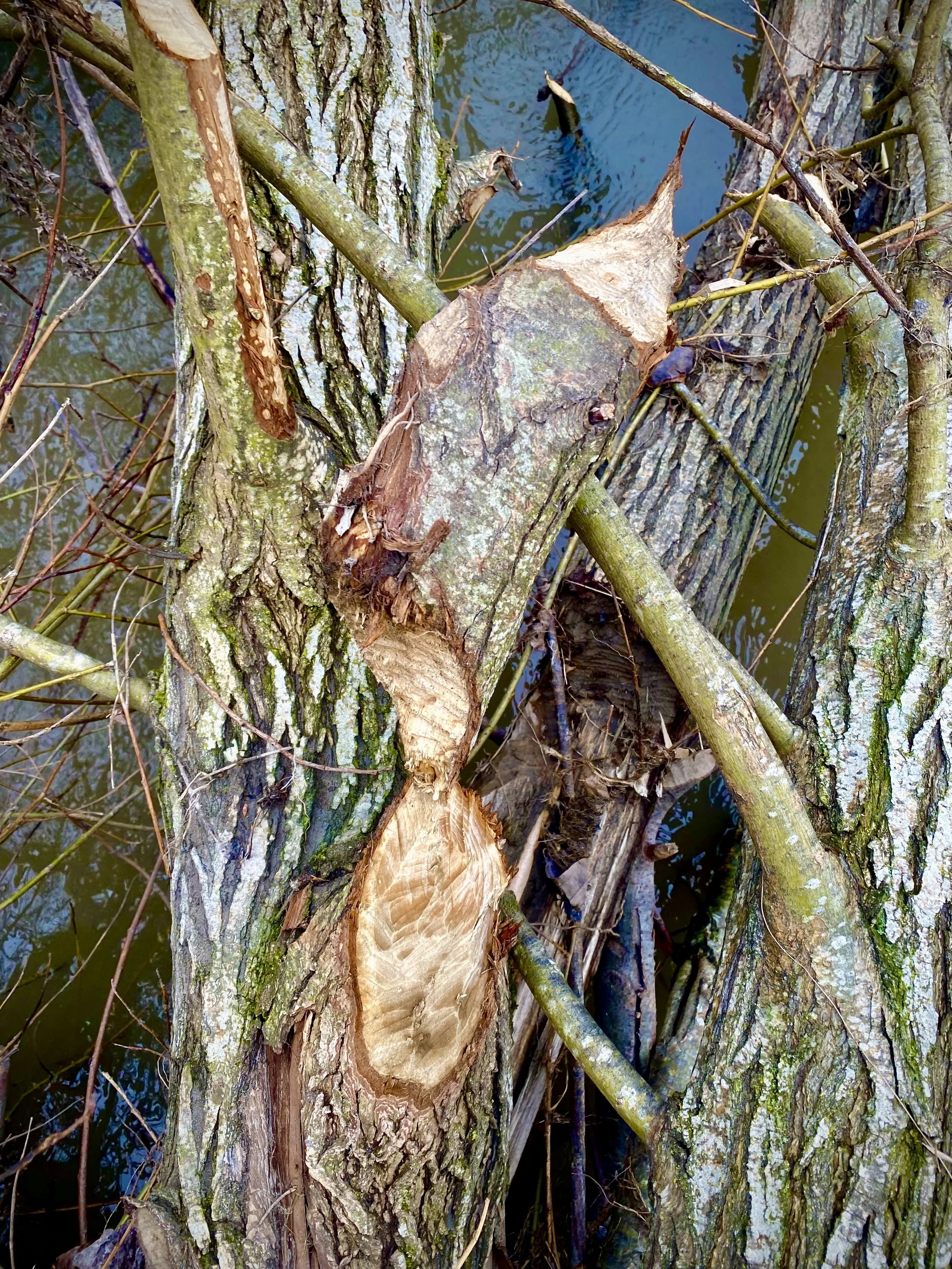 Image 2 of 3
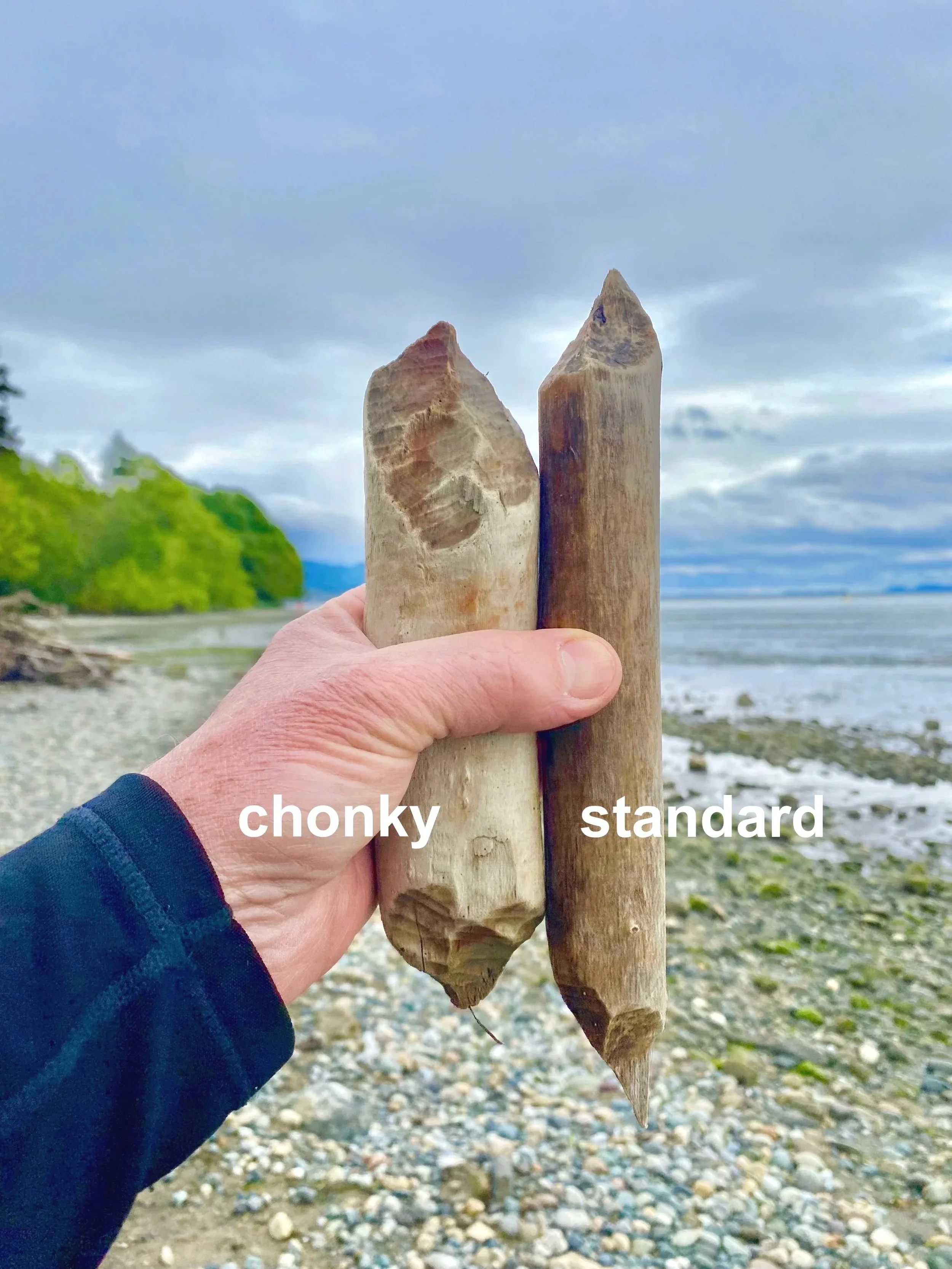 Image 3 of 3
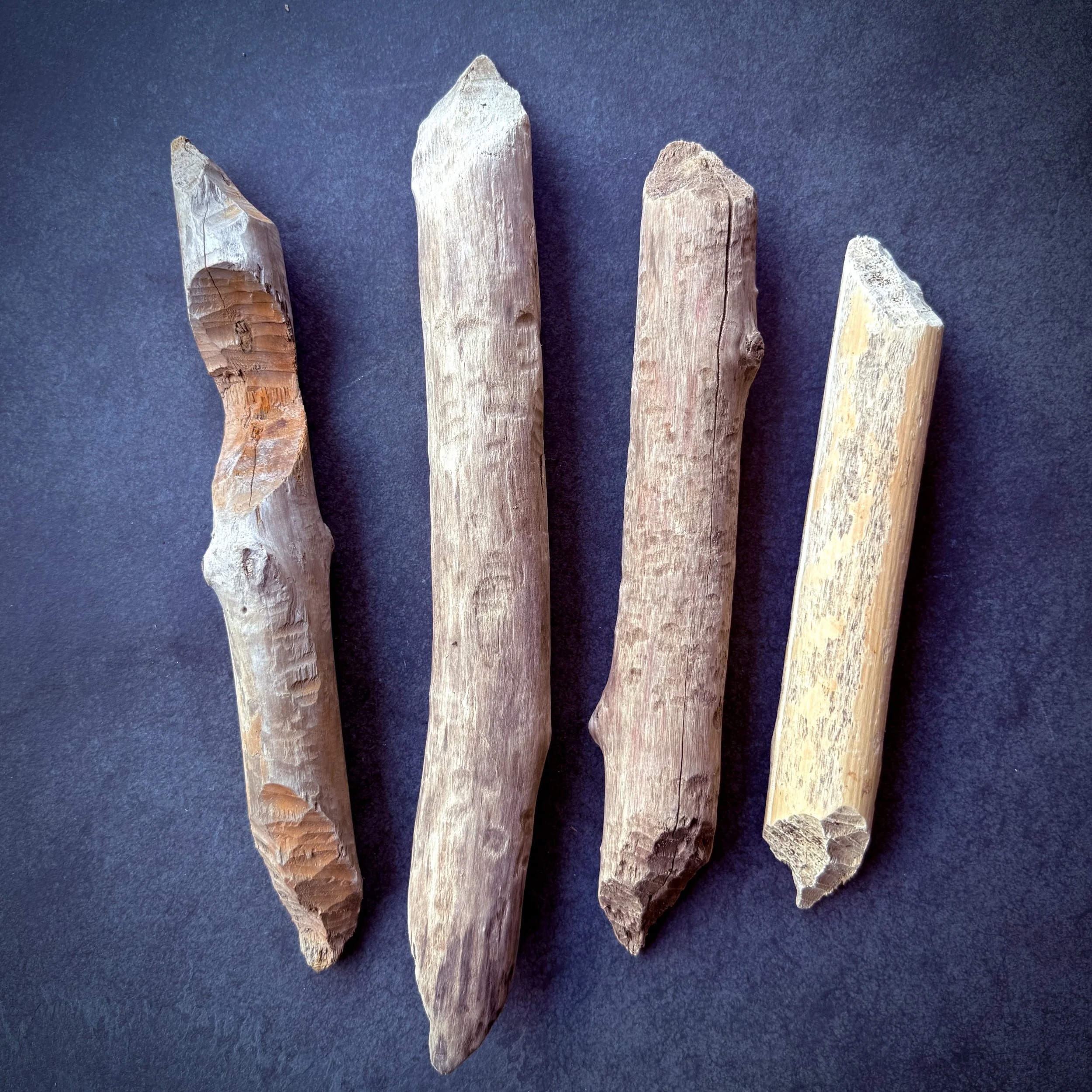
We're a little obsessed with beaver sticks around here. They wash up on the riverbanks and beaches after the spring floods. They are all a little different, but usually of a similar size, about two or three inches in daimeter, a foot or less in length. We have come upon places where a beaver has felled a tree, and then neatly sectioned the branches into beaver sticks (second pic). So, just what are they doing with them?
After studying beaver architecture, we've come to the conclusion that these are basically "beaver bricks." They are the largest pieces of wood that it's convenient for a beaver to carry in its jaws while swimming, then insert into its dam or lodge. They could also be considered "tools," in the sense that they are natural materials, modified in a systematic manner, for a particular purpose. Go rodents!
Science fiction writers have imagined worlds where multiple, different intelligent species live side-by-side. It doesn't take too much imagination to realize that's what we already have. We're just too chauvinistic to recognize the complexity and value of all the other cultures that we share the plannet with. It's only when they do, or make, something sufficiently similar to our own culture that we even notice them. Or, when they start sinking yachts.
Available in standard or extra-chonky size. $15 each
We're a little obsessed with beaver sticks around here. They wash up on the riverbanks and beaches after the spring floods. They are all a little different, but usually of a similar size, about two or three inches in daimeter, a foot or less in length. We have come upon places where a beaver has felled a tree, and then neatly sectioned the branches into beaver sticks (second pic). So, just what are they doing with them?
After studying beaver architecture, we've come to the conclusion that these are basically "beaver bricks." They are the largest pieces of wood that it's convenient for a beaver to carry in its jaws while swimming, then insert into its dam or lodge. They could also be considered "tools," in the sense that they are natural materials, modified in a systematic manner, for a particular purpose. Go rodents!
Science fiction writers have imagined worlds where multiple, different intelligent species live side-by-side. It doesn't take too much imagination to realize that's what we already have. We're just too chauvinistic to recognize the complexity and value of all the other cultures that we share the plannet with. It's only when they do, or make, something sufficiently similar to our own culture that we even notice them. Or, when they start sinking yachts.
Available in standard or extra-chonky size. $15 each